


The survey conducted by Redfin highlights distinct preferences among likely Trump and Biden voters regarding the characteristics of places they want to live in. For Trump supporters, the desire to live in areas without legal abortion is prevalent, with nearly two-thirds expressing indifference or opposition to residing where abortion is permitted. Conversely, a significant majority of Biden supporters express a preference for living where abortion is legal, indicating a stark contrast in values between the two groups on this issue.
Gender-affirming care for children emerges as a significant consideration for Biden voters, with over 70% expressing a desire to live in places where such care is fully legal. This reflects a strong sentiment among Biden supporters for policies that support LGBTQ rights and inclusivity. In contrast, Trump voters prioritize issues like gun control, with a substantial majority expressing opposition to living in areas with strict gun laws.
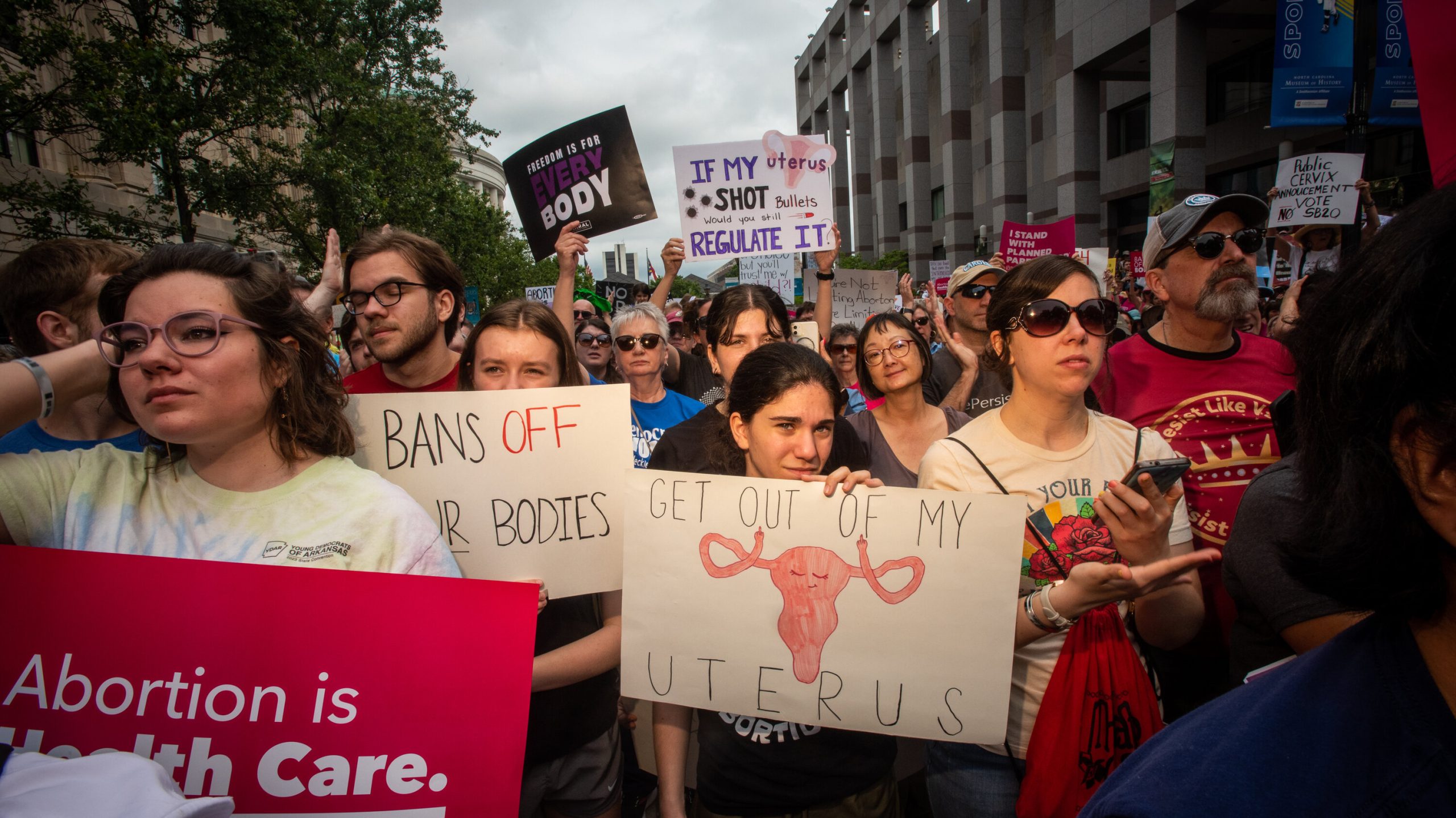
Study Shows Nearly 1 in 5 Trump Supporters Prefer Living Where Abortion Is Allowed (Credits: The New York Times)
The survey also sheds light on other preferences among Trump and Biden voters. Biden supporters show a preference for living in racially diverse communities, as well as in cities that provide sanctuary to migrants. Conversely, Trump voters are less inclined towards racial diversity and sanctuary city policies, reflecting differing attitudes towards immigration and multiculturalism.
Moreover, the survey indicates that Trump supporters are less receptive to policies promoting gender and sexual orientation equality compared to Biden supporters. This divide underscores the divergent priorities and values of the two political camps, with Biden voters showing stronger support for progressive social policies.
The survey underscores the deep-seated ideological differences between Trump and Biden supporters, extending beyond political preferences to encompass social and cultural values. These disparities are likely to influence not only electoral outcomes but also broader societal debates and policy directions in the United States.